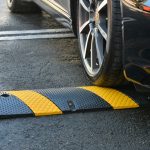

Speed bumps, also known as speed humps or sleeping policemen, are designed to slow down vehicle traffic in certain areas. They are usually installed on residential streets or in parking lots to reduce the risk of accidents and improve safety for pedestrians.
Research has shown that speed bumps can be effective in reducing vehicle speeds. A study conducted by the Federal Highway Administration found that speed humps reduced vehicle speeds by an average of 18-24% on residential streets. Other studies have found similar results, with speed bumps reducing vehicle speeds by an average of 15-30%.
However, it’s important to note that speed bumps are not a one-size-fits-all solution. They are most effective in areas where vehicle speeds are already relatively low and where there is a high volume of pedestrian traffic. In areas with higher speeds, other measures such as traffic calming circles or chicanes may be more effective.
Additionally, speed bumps can have negative effects on vehicles, causing excessive wear and tear, and can be uncomfortable for the passengers, specially for people with health conditions. They can also make it difficult for emergency vehicles to navigate through the area.
Overall, speed bumps can be an effective tool for slowing down vehicle traffic in certain areas, but it’s important to consider the specific traffic conditions and community needs before installing them.
Related posts:

The pros and cons of speed bumps
Speed Bump with Channel
How Speed Bumps Contribute to Safer School Zones

Enhancing Road Safety: The Advantages Of Recycled Rubber Speed Bumps
Why Heavy Duty Speed Bumps are Essential for Construction Sites

Speed bumps

Improving Traffic Flow: The Role of Speed Bumps in Driveway Management
The Impact of Speed Bumps on Vehicle Speed Reduction in Driveways
What is the Difference Between Speed bumps & Speed Humps
Single and Double lane speed humps

Enhancing Aesthetics and Safety with Yellow Reflecting Ribbon on Speed Bumps